
A Review of Hulu’s & Onyx Collective’s How to Die Alone!
Spoiler Alert: If you want to watch How to Die Alone, please watch before our discussion today!
I remember the first time I saw Natasha Rothwell in action. It was on the hit TV show Insecure. She played the friend of Issa Rae, but every time she came on the screen for me, she stole the show. From her witty comebacks to the way she would always bounce back in situations and hold it down for her friends, I was inspired.
Therefore, when I heard she was producing her show, I knew I needed to tune in. So, that’s precisely what I did. Popping some popcorn, closing all the blinds, and using the big screen, I tuned into How To Die Alone.
Although I did not know what to expect, I was reminded instantly how much Black women wear “Superwoman” capes, neglecting their wants and desires to survive.
And that’s where we start our discussion for today. Rothwell plays Melissa, a 35-year-old Black woman stuck at a job at JFK who loses more and more of herself as time goes on. Her story is one that many of us can relate to, a narrative of juggling responsibilities and losing sight of our own needs.
After turning 35 on her birthday, Melissa finds herself in a hospital bed being told that not only did she die for three minutes, but if it wasn’t for her next-door neighbor, she might not have been resuscitated.
Abandoned, alone, and rejected, Melissa finds herself in a position I feel many other women find themselves in at some point. Caring for everyone else around them, but in the moment of need, they cannot find anyone to care for them.
Melissa calls friends, family, and co-workers extensively for hours to get someone to pick her up so that she can be discharged. But amid her calling individuals back to back, a fellow Black woman in the bed next to her begins to speak life into the young Melissa.
The advice she may never have received from anyone else because she wasn’t seen provided permission to open the doors to possibilities. Now, her choices after are SUSPECT. She steals the woman’s credit card after she passes, books a trip to Hawaii to go to her ex’s wedding, but also receives FREEDOM to start becoming the version of herself she had stopped caring about years ago.
It was the conversation Melissa had with the elder Black woman that played repeatedly while I watched the show. Of course, I have to paraphrase and summarize the conversation, but basically, the woman asked Melissa, “When did you stop caring for yourself?”
She went on to explain the three ways someone dies. First, they die physically. The second, they die when people stop caring about them. Finally, they die when they stop caring about themselves.
In this scenario, Melissa died in all three ways. Neglected by others, physically losing life for three minutes, and forgotten by herself.
Now, I won’t share any more of the story. I suggest you get the Hulu app and watch the rest. (This is not a sponsored post. But if they would like to sponsor the girl to review another show, I’d be thoroughly excited.)
But the above story sets the stage for our first discussion question tonight. Can you recognize when you’ve stopped caring for yourself?
As I said earlier in our conversation, Black women are often told they have to be 3x better, stronger, and more independent to survive in this world. Operating off of survival mode, I often wonder if Black women are given the tools to know how to recognize the warning signs of depletion, exhaustion, burnout, and abandonment, or whether we qualify it as “failure.”
Societal or familial expectations often placate women’s lives, leaving individuals to choose between their own well-being and the prosperity of others.
I have seen this concept not only in How to Die Alone but also in many other pop culture-influenced television shows. From Girlfriends to The Game, black women have consistently had to choose between themselves and the desires of others.
And you all know I am right. Med School had to choose between helping Derwin’s career or succeeding in medical school. I won’t spoil that show either, so give it a chance if you haven’t seen it.
Consequently, if writers depict these stories on the big screen, Black women must also experience these situations off-camera.
Therefore, how do we stop this cycle? How do we remove the pressure women often carry to show up “perfect, strong, and self-contained.” The answer lies in self-care, recognizing our worth, and prioritizing our well-being.

Melissa received a push from a fellow woman, but what if you don’t have that opportunity? How do you recognize what happens if you operate on “auto-pilot” and “survival mode?”
Survival Mode, as Calm describes it, “is when your brain focuses on getting through challenges. It’s constantly on alert to protect you from threats (real or imagined) and can stop you from resting or enjoying” (Mosunic, 2024).
Therefore, if survival mode stops you from resting or enjoying, the power lies in your hands to recognize that you’re not doing it. This recognition is the first step towards reclaiming your well-being.
Once Melissa realized she wasn’t prioritizing her well-being, she embarked on a journey of self-discovery. This journey, this awakening, is a powerful force that can inspire significant personal growth and change.
She took risks, tried new things, found new friends, and toyed with the idea of finding love with someone who had seen her for who she was all along.
But it wasn’t easy, and it’s not always easy for real women to do the same in a day and age when the demands of “hustle culture” pressure everyone to show up even when they don’t have the energy to do so.
It also provides an opportunity for more Black women to discuss the impacts of our culture and how they play a significant role in our inability to choose our well-being.
This brings me to our concluding questions for today’s chat. What do you do after recognizing that you have not cared for yourself?
Let me start by saying there is no “right” or “wrong” way to heal your soul, as there are many options. Today, we are going to discuss a few alternatives.
How to Die Alone provides a starting point for discussing the more significant issues Black women face daily. Through Melissa’s story, individuals learn that self-restoration does not grow overnight but instead starts with being complicit in our desire to be healthier.
One way we can do this is to offer ourselves compassion by embracing vulnerabilities as strengths rather than weaknesses. This acceptance can make us feel more connected and understood.
We can reject the idea that we must be perfect because trying to achieve perfection only increases the cycle of our self-sabotage!
We can take the rest that we need. We can use our PTO to attend wellness events and retreats and spend time with ourselves.
We can redefine what it means to be successful and to experience failure. We can shift our mindsets from survival mode to a place of thriving independently and interdependently.
We can advocate for ourselves in the workplace, church, and the local government office. We can say “No” to things we don’t desire and work on the guilt often associated with choosing us.
We can also be like Melissa by not disregarding our pain, not ignoring our feelings of loneliness, not overlooking our desires, pursuing them, and showing up in the world in the way we want, even if it differs from what others expect.
But, if we wait too long to deal with our emotions and experiences in life, we can create a cycle of impulsive decisions and later regret our choices.
Lastly, we can work towards self-preservation by seeking communities like IHateAdulthood, Support Groups, and organizations to help women and our friendships navigate life’s excellent and challenging.
I want to shout out to Natasha Rothwell for another outstanding performance! I hope we get a season two! If you want a quick show recap, please visit our Instagram Page!
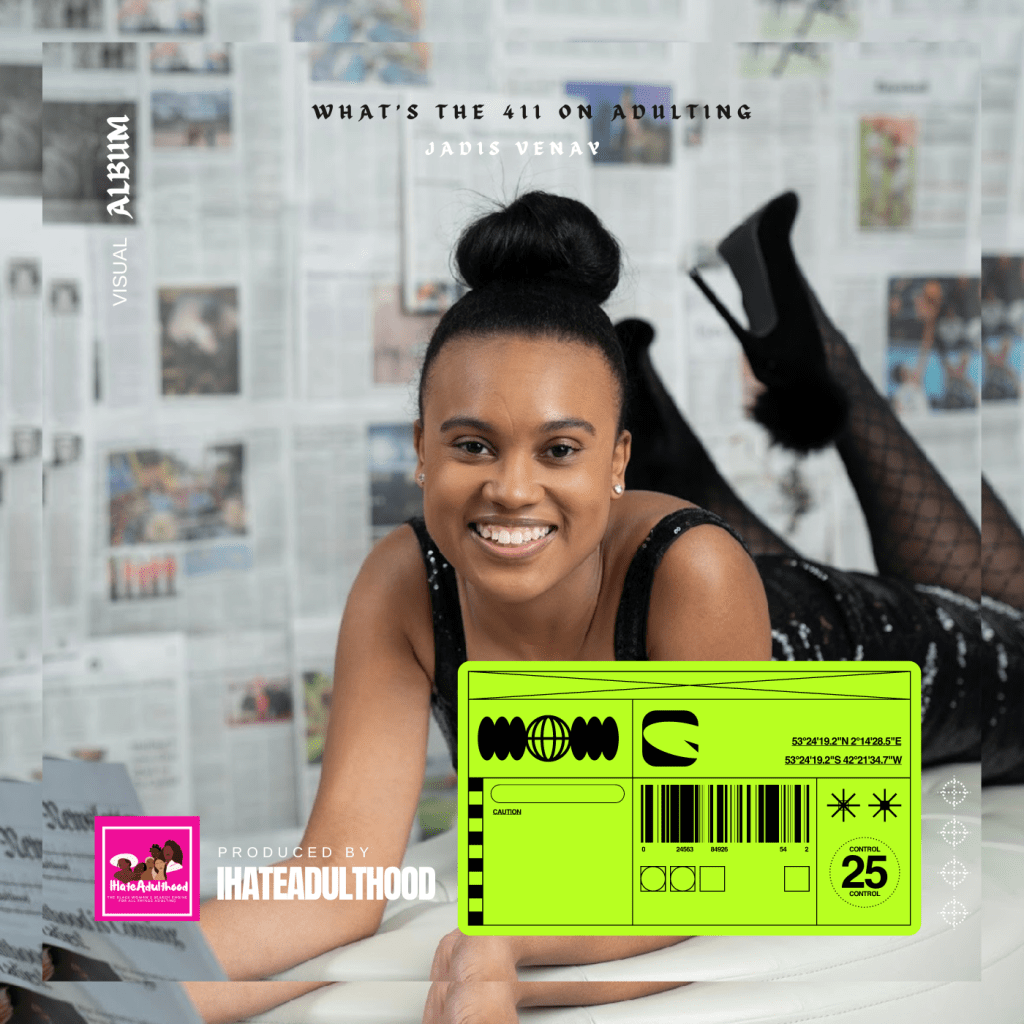
Also, if you haven’t checked out our Instagram yet, you’re missing out on our latest Reel series, “What’s the 411 on Adulting with Jadis Venay”! 🎬 It drops every Tuesday, bringing you all the tea on navigating adulthood, one relatable moment at a time. Catch it weekly for tips, laughs, and real talk! 🗣✨
See you all next week as we discuss “Why Can’t Things Go According to the Plan?”
Peace & Prosperity,
Jadis DeShong-Venay
References:
“Girlfriends.” Girlfriends: The Complete First Season, written by Mara Brock Akil, directed by Mara Brock Akil, UPN, 2000.
“How to Die Alone.” How to Die Alone: The Complete First Season, written by Natasha Rothwell and Vera Santamaria, directed by Natasha Rothwell, Hulu, 2024.
“Insecure.” Insecure: The Complete First Season, written by Issa Rae, directed by Melina Matsoukas, HBO, 2016.
Mosunic, C. (2024). How to Get Out of Survival mode: 7 Tips to Help You Thrive. Calm. https://www.calm.com/blog/survival-mode


Leave a comment